Single Women: Top 5 Reasons to Buy a Home

Single women, the second largest group of home buyers behind married couples, account for nearly 18% of all buyers. Last year they far outnumbered single men who made up just 7%, according to the most recent NAR Profile of Home Buyers and Sellers

I've helped several single women purchase homes and have been there myself — I bought my first condo alone nearly 15 years ago. I wanted to know what motivated other women so reached out to friends, family and former clients to find out why they decided to buy solo and what advice they would give others. Read the complete Q&A blog post here. Read their top 5 motivations for buying here:

Top 5 Reasons Women Choose to Buy

money-2696219_1920.jpg

1. Make a Smart Financial Move

A top reason cited by women looking to buy is financial. Specifically, they state a desire to "stop throwing away money on rent" and to build equity in asset ownership. Tax breaks benefiting home owners are also motivating. 


MyOwnHome

2. Get Away from Apartment Life

The constraints and inconveniences of renting in a shared space can be trying. Complaints of apartment life include concerns over noisy neighbors, shared walls, lack of privacy and limited parking. Owning a home, especially a single-family house, affords more control over noise and privacy with less worry over bothering the neighbors (or them bothering you). It can also mean having predictable and secure parking options — convenient for having guests, navigating snow emergencies and safer when parking alone at night. 


womanbuyinghomesstpaulminneapolisjpg

3. Enjoy Personal Outdoor Space

Many women desire outdoor space — a private yard, a place to garden, or enough room for a  dog. Though the city parks and paths provide plenty of options, they're never quite the same as having an outdoor sanctuary all your own. 


the-interior-of-the-1508271_1920.jpg

4. Make Your Own Design Decisions

Wanting the freedom to paint, decorate and make changes without having to ask permission is a common theme for home buyers. It can be frustrating to live within the confines of a rented space for this reason and others. Owning allows you to paint, replace, knock down and build out as you wish which can be quite satisfying. And, the money and time spent improving your space is usually not wasted — smart improvements add value to recoup when it's time to sell.


allef-vinicius-180699.jpg

5. Have Something to Call Your Own

Cultivating the feeling of ownership and accomplishment brings pride, confidence and joy. It just feels good to have a place of your own. Whether it comes from reaching your goal or creating a space that's uniquely yours, the positive sentiment can often be reason enough for wanting to buy a home.

Get help finding your home

Heidi Swanson is a Realtor® based in St. Paul, Minnesota. She writes a blog to share information on a variety of real estate related topics including buying and selling, market conditions, homeownership trends and more. Reach her at heidi@lyndenrealty.com or 651-503-1540.

The Logistics of Listing Your Home

What exactly happens when you put your home on the market? There are plenty of online guides designed to help sellers get their homes ready to list, but what about the nuts and bolts of getting it on the market? I've had clients ask me simple questions like, "How does the sign get in the yard?" or "How will buyers get in my house?" These are excellent questions often taken for granted by real estate professionals. This post addresses the most basic, behind-the-scenes steps taken when listing a home with a Realtor. 

The Paperwork

When working with a real estate agent you'll be presented with several forms to read, understand and sign. At the very least, expect the following:

(There may be others depending on the type of property or type of sale. Condos/townhomes, for example, will have additional requirements pertaining to association documents.) 

Agency Relationships in Real Estate Transactions

  • A disclosure explaining the types of agency representation available to you in Minnesota. Meant to inform and protect consumers.

Seller's Property Disclosure Statement

  • A multi-page form filled out by sellers disclosing all known material facts about the property. Required in Minnesota. An alternative form (waiver) could also be used.

Listing Agreement

  • A contract between home seller and listing brokerage outlining the terms of the listing including responsibilities of each party, commission and duration.

MLS Listing Input Form

  • Lists all data about the property, authorizes the brokerage to provide the regional MLS with the data and set terms for internet display.

Certification to Withhold from MLS

  • An optional form used to keep the listing off the MLS. Typically used short-term in a "coming-soon" situation or while preparing to list.

Addendum: Disclosure of Lead-based Paint

  • For properties built prior to 1978, a disclosure of any known lead-based paint. Required in Minnesota.

Coming Soon Listing Authorization Form

  • Optional if you would like the listing pre-marketed through through the MLS for a limited time until it's ready for showings. Seller signature required for MLS “coming soon” status.

Measuring

Before entering data into the MLS, your agent will need to measure your home to verify room dimensions, foundation size and total finished square feet. This could take an hour or more depending on the size of your house. Tax records and any past MLS listings detailing measurement information may also be used for comparison. Your agent might also work with a photographer who creates floor plans with dimensions and square footage. 

Staging

Optional but highly recommended, staging can range from full-service professional staging (filling a vacant house, for example) to minor adjustments using your own decor. Prices and terms vary so shop around. If your home is already furnished, one option is to pay for a 2-hour consultation with a stager to generate a "to-do" list for decluttering, furniture placement, fixture updates or even paint color selection. The going rate for this type of service is about $200-$250. If your home is partially or mostly vacant, you may want to get a bid for adding furniture. Again, pricing and terms vary by stager.

Keep in mind, stagers work more like merchandisers than decorators. Their goals are to figure out who will be shopping for your home and make design choices to target those buyers. They highlight the most attractive features of your home while minimizing less desirable ones. Stagers also work to make your home more photogenic. Web appeal is the new curb appeal so having striking photos that catch people's attention is key to successful online marketing. Skilled stagers understand what looks good in photos and will help you select or position furniture and decor to maximize the effect.

Taking Photos

Once your home is decluttered, cleaned and staged, it's time for photos. Your agent should take high-quality photos for the MLS and any other marketing outlets. I hire a professional photographer who also offers 3D tours, and use drone photography when appropriate. Typically this service is paid for by the agent who will work with the homeowner and photographer to schedule a time to shoot. Plan on a 2-3 hours session, depending on the size of your home. You need not be present during the shoot. The outside shot of your home should match the current season, so I try to schedule photos as close to the live listing date as possible.

Hanging a Lockbox

Your agent will hang a lockbox on or near your door to allow other real estate agents, inspectors and appraisers to access your home when you're not present. Plan on providing extra house keys for the lockbox. The box will either be a manual combination or electronic device. The electronic (or Supra iBOX) version uses bluetooth technology and can only be used by Supra key subscribers using the smart phone app to communicate with the iBox. Each opening is recorded in real time so your agent can view who is accessing the key and when via email notification. 

Installing the Sign 

The yard sign is your agent's responsibility. The process can take 3-5 days to install from order date. Expect Gopher State One Call to stop by first, marking any underground utilities before the hole is dug and post installed. After closing, your agent contacts the company for removal.

Scheduling Showings + ShowingTime

Listed properties are typically shown by a buyer's agent who requests a time to tour. In this region, the requests are usually made through a third-party site called ShowingTime. The ShowingTime request can be sent via text, email or phone call to anyone, depending on how it's set up. If the home is occupied, it makes sense to have the occupants (whether they be owners or renters) approve or deny access based on their schedules. If it's vacant or unoccupied for a length of time, ShowingTime has a convenient "go-and-show" option granting instant approval. 

Customize settings

When listing a property, I work with the home sellers to customize all ShowingTime settings before going live. It's important to know who would like to get notified and how, and what the back-up plan is if a request goes unnoticed. I add myself to the list then watch over the incoming requests to make sure they are being approved in a timely manner. Once a showing is approved, the buyer's agent receives an approval notification with access information (lockbox code, etc.) along with any specific instructions (remove shoes, turn off lights, etc.) Showing are typically scheduled for one hour but duration times can be tweaked in the app. 

Get Feedback

After the showing, a feedback request form is automatically sent to the buyer's agent. Listing agents can customize this form to ask specific questions of buyers and their agents, or use the default. Ask your agent to make changes to the form if you're seeking specific input from buyers. The feedback is meant to be shared with homeowners and can be emailed individually as it's received and/or compiled in weekly reports. Home sellers have the option of downloading the ShowingTime app to view feedback and manage showing requests. If you're comfortable with smart phone technology, the app can be useful tool. If not, text or email work just fine. Getting feedback is an important part of the showing process but can sometimes require thick skin. Be prepared for opinions that may differ from yours and ask your agent to follow up with phone calls to get more insight if necessary. 

Learn More

If you'd like to learn more about listing your home, let's connect! It's smart to ask questions and I'm happy to provide answers and support. My job is to make the selling process, which can seem overwhelming at first, as simple as possible. 

 
Learn more about Selling your home

Heidi Swanson is a Realtor® based in St. Paul, Minnesota. She writes a blog to share information on a variety of real estate related topics including buying and selling, market conditions, homeownership trends and more. Reach her at heidi@lyndenrealty.com or 651-503-1540.

Spring 2018 Housing Market Update | Twin Cities

Slow & Steady

As we move into spring, trends in the Twin Cities housing market consistently follow the same trajectories as reported last fall. Inventory continues to drop as prices steadily rise. The median home price in the Twin Cities region rose 5% in the last 12 months, from $238,000 to $250,000 and inventory continued its drop to a 2.2 months supply, from 2.7 one year ago.

Twin Cities Median Home Sale Prices

MLS-derived data reflects Twin Cities region, single-family, all sizes, new and existing homes, traditional sales only (not foreclosed or lender mediated).

One difference between the major metros remains — St. Paul is more affordable than Minneapolis. Since last fall, however, Minneapolis has experienced a drop in median sales prices while St. Paul has seen a continued rise. Data from last October showed Minneapolis median prices increasing by 5.4% and St. Paul by 2.6%. This spring the numbers have reversed — St. Paul now shows a 6.9% increase while Minneapolis is now at 3.4%. Are buyers being priced out of Minneapolis and setting their sights on more affordable urban neighborhoods? Could be. I've met many home shoppers who've made this claim.

Who's Buying?

Several new homes hitting the market this spring have sold with multiple offers, within days. Some are even selling before print. The demand for move-in ready homes in lower price ranges appears to be even greater than it was last fall as buyers gear up for warm-weather transitions. Who's competing for these homes? There seems to a mix of buyers going after similar single-family homes in urban neighborhoods.

Empty nesters moving from the suburbs to the city are seeking walkable neighborhoods with amenities, mass transit options and smaller spaces to furnish and maintain. At the same time, a growing number of millennials looking to buy their first home, noting similar preferences and a desire to buy below their means, are going after the same. Add investors to the mix. Empty nesters and millennial may find themselves competing with cash-buying investors looking for single-family rentals or small homes to flip. Occasionally these include parents of college students looking to allay the rising costs of rent.

Get Prepared!

If you are searching for homes this spring it's best to be financially prepared and ready to act quickly. Get pre-approved with a good lender and be as flexible as possible with your schedule. You'll want to tour new listings as soon as possible (a day's delay can often be too late.) I also advise seeing multiple homes and researching neighborhoods well before making an offer. You don't want to make an emotional decision under pressure that you may later regret. Having house-hunting experience, a financial plan and a clear, realistic vision will help ease your stress in this seller's market. 

New spring listing in St. Paul's Hamline-Midway neighborhood: 4 Bedroom/3 bath | 1534 TSF | $315,000

New spring listing in St. Paul's Hamline-Midway neighborhood: 4 Bedroom/3 bath | 1534 TSF | $315,000

Up-and-Coming

The recent data also show more drastic increases in median sales prices in traditionally lower-priced neighborhoods throughout the Twin Cities. For example, St. Paul's Hamline-Midway neighborhood has experienced a 13.5% increase in the past 12 months while Highland Park has experienced only 2.1%. Similarly, neighborhoods in north Minneapolis show double-digit increases while those in higher-priced areas like Linden Hills hover in the single digits. This pricing phenomenon raises the issue of gentrification and affordable housing, a very real concern that extends beyond the scope of this post. To further explore local effects, check additional resources here and here.

If you're searching in an up-and-coming neighborhood be sure to work with a professional who's aware of local trends. What may appear overpriced at first glance may end up selling for well over asking with multiple bids. It helps to have an agent who knows the area and stays up-to-date.

Price & Inventory Changes by Neighborhood

MLS-derived data based on Minneapolis single-family homes, all sizes, previously owned, traditional sales. Chart includes a selection of neighborhoods, not all. Check out St. Paul neighborhood chart here.

A balanced market has a 5-6 months supply of homes for sale. Fewer favors sellers.

Has Spring Sprung? 

Though early spring inventory remains low, many buyers are holding out hope for more to come. Some suspect the drawn-out winter weather is causing future sellers to delay preparing their homes for the market, which may be true. I've spoken to several homeowners who are still gearing up for a spring (or summer) listing. Sellers may also be lacking any sense of urgency, knowing they too may soon be struggling to find the next place to live.

As home sellers delay, some buyers are doing the same. I've heard several shoppers express their resolve to hold out for the perfect home — a smart tactic if time allows. For others with more urgent needs, this low-inventory market is proving to be quite stressful. Let's hope more homes become available as the days continue to warm. The spring market activity which typically kicks in post-Super Bowl may be off to a slow, weather-permitting start. 

If you would like to learn about value increases in your neighborhood or city, please give me a call. If you haven't been following trends in your market, you may be surprised.


Learn More about Buying or Selling

Heidi Swanson is a Realtor® based in St. Paul, Minnesota. She writes a blog to share information on a variety of real estate related topics including buying and selling, market conditions, homeownership trends and more. Reach her at heidi@lyndenrealty.com or 651-503-1540.

7 Strategies for Competing with Multiple Offers

Competing with multiple offers? Price matters, but so do terms

Low inventory of homes for sale can cause major frustration for home shoppers facing fierce competition in a seller’s market. Winning among multiple bidders may be challenging these days but not impossible. In a multiple-offer situation there are several moves buyers can make to come out on top. Money matters, but favorable terms do to. Consider the following when preparing your offer:

1. Price

The first and most obvious move for most people is increasing their offer price. The highest priced offer will definitely catch a home seller's attention.

If you're financing however, be aware of how much might be too much. Your bank will later appraise the property to determine its value before agreeing to make the loan. If their appraisal is lower than what you've offered to pay it could become a problem. Keep in mind what you're both willing and able to pay.

2. Financing Terms

Paying with all cash will most likely put you ahead of other comparable offers. It eliminates the loan process, including the bank appraisal.

However, if you need to finance (most people do), putting more down on the loan can also put you ahead of others. And, a conventional loan can be more favorable than an FHA loan. (FHA appraisers may come back with a list of repairs needed prior to closing.)

Another way to strengthen your offer is to promise written documentation of your secured financing a week or two (or more) in advance of the closing date. Ask your agent and lender about this option.

3. Seller-paid Closing Costs

Closing costs are various fees paid by both buyers and sellers on the day of closing. Each side has a separate set of obligations requiring cash for title, bank and broker services performed throughout the transaction. For buyers, costs are typically around 3% of the sale price. For sellers it can be a bit more depending on the broker commission.

Often home buyers use the bulk of their cash reserves on the downpayment, leaving little to cover costs to close. One option for buyers in this position is to ask the seller to pay the their closing fees. But if you’re a buyer facing multiple offers and have access to cash, don’t ask the seller to pay your closing costs. Paying your own way could give you an advantage over other buyers who may be asking sellers to help out.

4. Inspection Contingency

Making an offer contingent on the results of a buyer’s inspection is typical and advised. I always recommend it and sellers will expect it. It is, however, optional. A seller will favor an offer without the inspection contingency. Omitting this contingency is not a common practice however — it puts you at risk for buying the unknown. Think carefully before making this move!

If you do ask for an inspection contingency, shortening the time in which you complete it is favorable to sellers. For example, asking for 7 days to complete inspections is better than asking for 10. The sooner this contingency is lifted the better (for the seller) — another way to sweeten your offer.

5. Closing Date 

If you can be flexible with moving and closing dates make it known when submitting your offer. When your agent fills in the purchase agreement she or he will need to enter a specific closing date but can add wiggle room with words like "on or before". Having a flexible date may give you an advantage, especially if the sellers are also buying and trying to coordinate their own move with another set of sellers and buyers.

6. Letter to the Seller

Sometimes it's personal. Writing a heartfelt letter to the sellers and sharing a bit about yourself and all the reasons you love their home might work to your advantage. It can be especially powerful if the sellers share a similar sentiment and care about future ownership. Keep it short and sweet, a paragraph or two is fine.

7. Earnest Money

Earnest money is "good faith" money. It's cash you put down when you making an offer to show you’re serious and willing to take a risk. It's typically 1-2% of the offer price but can be any amount you choose, or none. If all goes well it will go toward the downpayment. If you cancel for reasons not outlined in your offer you could lose it altogether. Putting down more, if you have it, demonstrates your serious intent and financial capability.

When the offer is accepted, your earnest money will be put into a trust account within a few days, so make sure you’re prepared before committing.

 
Learn More about buying a home

Heidi Swanson is a Realtor® based in St. Paul, Minnesota. She writes a blog to share information on a variety of real estate related topics including buying and selling, market conditions, homeownership trends and more. Reach her at heidi@lyndenrealty.com or 651-503-1540.

Buying your first home? Advice from a local mortgage advisor

It's easy to get overwhelmed when planning to buy your first home. Searching for the right house, in the right neighborhood with needed amenities at a price you can afford is often just half of it. Unless you're paying cash, the other major part involves navigating the process for financing it. Knowing what you should do ahead of time and shopping for the best loan can be confusing for anyone new to the world of home loans.

I recently sat down with a trusted mortgage professional to get answers to a few of the most common questions asked by those shopping for their first home. Chris Kvikstad, president of Kvikstad Mortgage Solutions, works often with first-time buyers. In this Q&A he offers practical advice for anyone curious about the first steps of home financing. 

Q: What should I do in advance?

A: The first thing is to look inward and think about why you want to purchase a home.  How long do you think you will be there, how stable is your income situation, and are you comfortable with taking on the responsibility of any repairs should they be required? 

Once you have determined that you are indeed ready to purchase, then think about your lifestyle and whether a condo, single family home, or townhome would be ideal.  Think about how much you could comfortably spend each month on the combined housing payment, and then we can proceed together from there, using the steps above, and begin working out the numbers to see what a comfortable price range might look like. 

If you have any bills that are past due, bring those current before we start the process, otherwise, that might delay the process as we work together to resolve those types of issues if they occur.

Q: How do I know how much I can afford?

A: This is a good question and the one that comes up most frequently with my clients.  There are a few different ways we can approach this.  The first step is to ask, “What is a comfortable payment for you that would include all of your housing expenses?”  We can use that amount and then work backward to calculate a general home price range that would include various expenses, such as property taxes or homeowner’s insurance, monthly association fees for a condo or townhome, and so on. 

Monthly Expenses

Depending on whether you're looking for a single family home or a townhome or condo, the price range we calculate together can vary according to those different expenses.  We look at current income and monthly living expenses, such as car loans and student loans, and we also want to take into account any surprise expenses that can come up after purchasing the home, such as a new furnace or normal maintenance and repairs.  While this last part isn’t a requirement for financing, I like to broach that subject so that people are mentally planning ahead for surprises. 

Lessons learned

During the years leading up to the housing crisis, too many people put on their blinders and only wanted to focus on the absolute maximum amount they could be approved for.  Houses were appreciating in value very rapidly, often in the double digits per year, and the fear of “missing out” on a great deal was a very real emotional component.  That has all changed now, and I think everyone is taking a much more conservative and realistic approach when it comes to this very important piece of the puzzle.


glasses-983947_1920.jpg

Verifying Employment

Self-employed vs. employee?

Hourly vs. salaried?

Base wage + incentive compensation?


Q: What information will I need when applying for a loan?

A: We'll need personal information and will need to know whether you currently rent or have owned a home in the past.  When it comes to verifying employment, the required documents will depend on the type of employment – self-employed versus employee, hourly rate versus salary, and whether there is incentive compensation in addition to a base wage.  Generally, a couple of recent, back-to-back pay stubs and the last two years of W-2s are sufficient to get the ball rolling for most people.  We need to verify assets, as well, so this generally means two months of bank statements plus the most recent statement for any other accounts, such as retirement or investment accounts.

Q: How much do I need for a down payment?

A: We have many excellent programs today that do not require substantial down payments.  In fact, both Fannie Mae and Freddie Mac have outstanding first-time buyer programs that only require 3% down, and FHA requires 3.5% down. Our military veterans have the ability to purchase with as little as zero down through the use of their VA eligibility for VA financing.  VA loans are a wonderful program and I really enjoy working with our veterans. In all of these cases, the down payment can come from a gift from a relative. 

financial-equalization-1015280_1920.jpg

Less than 20% down

Ask your lender about first-time home buyer programs, FHA, or VA loans that require low down payments.

These reduced down payment requirements really make it convenient and affordable for people to take that next step towards home ownership.  You can always put down more than the minimum requirement, of course, and the more you put down the lower the monthly payment will be.

Learn More about Buying Your Home

Heidi Swanson is a Realtor® based in St. Paul, Minnesota. She writes a blog to share information on a variety of real estate related topics including buying and selling, market conditions, homeownership trends and more. Reach her at heidi@lyndenrealty.com or 651-503-1540.

Getting ready to sell your home? Start with this checklist

Downloadable Checklist

Moving to a new home is exciting but preparing yours to sell can be overwhelming without a game plan. If you're considering listing yours in time for the spring market, you'll want to begin planning soon! Here's a checklist of general repairs and improvements to help you get started (downloadable version here.) If you have questions specific to your property and would like advice on getting your home ready to list, give me a call to talk about the best use of your time and money. 

Home Selling Checklist

First Steps

❏   Check with your city to see if you need a pre-sale inspection. Schedule an inspection, if required. 

❒   Make any mandatory repairs and reinspect, if your city requires it. Close out any permits.

❒  Connect with a real estate agent to discuss process, pricing, disclosures and listing contracts.

❒  Start purging! Donate unwanted items. Organize keepers in bins/boxes for easy moving.

HomesForSale.jpg

Start Making Low-cost Improvements

❒  Paint, stain or replace your front door. 

❒  Fix leaking or loose faucets or plumbing fixtures.

❒  Tighten or replace knobs. Oil squeaky doors.

❒  Repair old light fixtures and outlets.

❒  Remove excess wall decor, fill holes, repair cracks and paint. 

❒ Declutter. Remove knick-knacks and small furniture pieces. 

❒  Control pests problems. Hire a professional if need be. (Past infestations must be disclosed in writing.)

❒  Repair ripped screens and broken glass in windows.

❒  Remove old or broken window coverings (blinds, broken rods, outdated curtains).

❒  Replace dirty furnace filters.

❒ Clean gutters.

❒ Replace old or mismatched switch plates & outlet covers with new.                                      

HomesForSale.jpg

Plan for Bigger Projects

❒  Eliminate any eyesores (replace peeling linoleum floors, fix cracked steps, remove outdated wallpaper, etc.)

❒  Professionally clean newer carpeting. Replace old, or expose the hardwood. 

❒  Selectively paint walls. Repair damaged walls and ceilings and paint neutral. 

❒  Replace broken garage doors and openers.

❒  Restain or repaint decks and porches.

❒  Scrape and repaint peeling paint on trim and siding.

HomesForSale.jpg

Finishing Touches

❒ Add pots of colorful (seasonal) plants to your front entry. 

❒  Add new welcome mats.

❒  Replace all burned out lightbulbs.

❒  Clear off counter spaces and clean out closets.

❒ In warmer months, keep grass freshly cut. Weed, and trim hedges. Keep snow off walks and driveway in winter.

❒ Freshen your landscape with new mulch. 

❒ Stage, especially main rooms (see tips on staging), or hire a professional home stager.

HomesForSale.jpg

Clean!

❒ Deep clean kitchens appliances (in and around).

❒ Clean and declutter kitchen cabinets and under sinks in kitchen and bath.

❒ Clean all windows (inside and out). Hire a professional window cleaners if necessary.

❒ Scrub all bathtubs, sinks and tile to remove stains and soap scum.

❒ Polish stainless steel sinks and surfaces. 

❒ Steam clean carpets (or replace).

❒ Dust off and clean out light fixtures. (Easy to overlook! Recheck for burned out bulbs.)

❒ Sweep garage floor and remove unused items (old cans or paint, etc.)

❒ Clean/dust all floors, walls, trim and window sills.

Additional Ideas to Add Value if Your Budget Allows

  • Update outdated HVAC systems.

  • Replace outdated kitchen appliances.

  • Consider adding a patio or deck if you don't have one.

  • Update light fixtures.

  • Replace shot windows or doors.

  • Add a kitchen backsplash.

  • Update bathrooms (replace outdated fixtures, replace older toilet with a low-flush, install new vanity countertop and freshen grout.)

  • Finish basement or attic space to add square footage.

Download a printable checklist here.

Get Help Selling Your Home

Heidi Swanson is a Realtor® based in St. Paul, Minnesota. She writes a blog to share information on a variety of real estate related topics including buying and selling, market conditions, homeownership trends and more. Reach her at heidi@lyndenrealty.com or 651-503-1540.


Single woman buying a home? Inspiration and advice from those who've done it!

If you are a single woman considering buying a home of your own, you're not alone. Last year single women made up 18% of all home buyers, coming in second behind married couples (65%) and outnumbering single men who accounted for just 7%, according to the 2017 NAR Profile of Home Buyers and Sellers.

Home Buyer Characteristics

Data derived from the NAR (National Association of Realtors) Profile of Home Buyers and Sellers, 2017

So, what's behind the trend? Why are women buying? This survey didn't address women's motivation but it's easy for me to imagine why. Fifteen years ago I bought my own place, solo. I mostly wanted to stop paying rent and put money toward my own investment rather than someone else's. My top reason was financial but there were others. Having control over my own space, access to the outdoors and secure off-street parking were important considerations more easily attainted through home ownership. I've never regretted my decision and have since helped several other women do the same. 

Recently, I asked a few past clients, friends and family members who have also bought homes on their own, "Why did you decide to buy? What have you loved about owning? And, what advice would you give other women considering buying their first home?" 

Representing a range of ages, life stages, and professions throughout the Twin Cities, the majority of women interviewed expressed a common sentiment as homeowners — few regrets. Five of these women share their thoughts, and respective homes, below. Read on to hear their motivations along with advice they'd give others who might want to do the same.

Lisa, Minneapolis

MinneapolisHome.jpg

Why did you decide to buy?

I decided to buy because I wanted to own something rather than throw my money away on rent. And to have a yard! I love to garden. It was time for me to move on to the next step in being an adult!

What do you love about owning your own home?

I love not having an apartment above me with noise. I love not having my car parked on a street. I love being able to paint and decorate as I want. And the tax deduction really helps too! 

What advice would you give other women who are considering buying their first home?

Don’t forget there will be expenses to save up for. Every year. Lawnmowers, exterior painting, shoveling, and other unknown repairs. Put away about $1500-2000 a year for those unknowns and upgrades.

Michelle, Golden Valley

GoldenValleyHome.jpg

Why did you decide to buy? 

The main factor was a desire to have control over my own space. I had lived in high-density developments for >10yrs and also desired to have no shared walls. The idea of my monthly payments going toward owning rather than renting was a third factor.

What do you love about owning your own home? 

The benefits are numerous, but the most significant for me is that I feel freer in my own space vs properties I've rented. One of the major benefits is that you are building equity in an asset that can benefit you in the future.

What advice would you give other women who are considering buying their first home?

Be prepared for things to need attention (e.g. plumbing, HVAC, deck/patio maintenance, yard/weed maintenance, snow removal). Even in new homes, things need attention. So plan for these things in your budget on top of the mortgage even if you have the intention of doing a lot of the work yourself. It'll cost you in service fees or buying the equipment to do it yourself, which you likely wouldn't already have if it's a first home purchase.

Be confident and be flexible. It can be an intimidating process and the bankers require a lot of documentation. When you think you've submitted everything, they will ask for more.

Maggie, Minneapolis

Why did you decide to buy? 

Honestly, I just didn’t want to pay rent anymore. It felt like a waste. And I decided pretty quickly to buy once I had that feeling. I had a realtor friend I knew and trusted, so that made it easy too. I have always loved houses, so I did have that advantage. I knew generally what “good bones” looked like, knew what was an easy fix and what was harder, and knew my main wants. My main factor was price (it was just me back then) and location. I wanted to be near public transit and a few neighborhood amenities.

What do you love about owning your own home? 

I love building equity. It really does make me feel financially stable. I love being able to bang out walls or paint without needing approval. And I love my neighborhood.

What advice would you give other women who are considering buying their first home?

Understand what you can truly afford. Don’t buy more just because. And I do think buying in the neighborhood you want, and updating the house is the best way to go. Also, understand how you truly live. Are you hosting a lot? Or having guests? Are you messy? If so, is an “open concept” really wise?

Barb, Apple Valley

Why did you decide to buy?

I lived in apartment for over 20 years and I wanted something I could call my own. And also have more space and decorate to my style of liking.

What do you love about owning your own home?

I love being able to make changes as I like. I like the privacy and not having people above or below me. I love to be able to have pets.

What advice would you give other women who are considering buying their first home? 

Make sure your finances are in order for the expenses each month. You never know what might come up and have to be replaced.

Megan, St. Louis Park

St.LouisParkHome.jpg

Why did you decide to buy?

When moving back to the area, I chose to buy a home as my mortgage was actually going to be cheaper than rent while providing a nicer place than a rental. Also, I have a dog, and having a yard to let him out in is much easier for both of us!

What do you love about owning your own home?

I like the fact that I know I have an investment with the house versus a loss of money with the rent. Also, it is great having the extra space that an apartment does not provide.

What advice would you give other women who are considering buying their first home? 

When buying a house, women need to be sure they are okay with doing the things that come with a house - the yard work, maintenance, etc. It is a great investment if you are willing to put some time back into it, as well as a great feeling to know you have bought your own house!

 
Learn More About Buying a Home
 

Thank you Lisa, Michelle, Maggie, Barb and Megan for your willingness to share thoughts on ownership and pictures of your beautiful homes!


Heidi Swanson is a Realtor® based in St. Paul, Minnesota. She writes a blog to share information on a variety of real estate related topics including buying and selling, market conditions, homeownership trends and more. Reach her at heidi@lyndenrealty.com or 651-503-1540.

The Pre-Sale Home Inspection

home-inspections-minneapolis-stpaul-minnesota.jpg

{UPDATE: Effective Jan. 14, 2021, City of Hopkins no longer requires home sellers to complete Truth-in-Housing evaluations prior to selling.}

If you're planning to list your home soon you most likely have a list of projects to complete before hitting the market. One thing you may be required to do, depending on your city and type of home, is a pre-sale inspection. In the Twin Cities metro, currently 12 municipalities require home sellers to do some type of inspection prior to listing a home for sale. These inspections are to be completed by a third-party professional, chosen from an approved list of evaluators in most cases. 
Pre-sale inspection reports are paid for by the home seller and must be made available to any potential buyer. In addition to a Seller's Disclosure (more on that here), they provide buyers with a bit more insight into the condition of the home prior to making an offer. Typically 1-2 hours in length, a pre-sale evaluation is like a mini buyer's inspection and should never be used as a substitute for a full inspection prior to purchase.
Be aware that some cities, like Minneapolis, may require repairs and follow-up re-inspections to comply. Others might not. Some may require only minimal fixes. For example, in St. Paul hard-wired smoke detectors must be present or installed to satisfy the Fire and Safety code, but repairing items marked "hazardous" is not required.

HomeForSale.jpg

What's a TISH?

Just another name for pre-sale inspection. A truth-in-sale-of-housing, or TISH evaluation, might also be called time-of-sale, point-of-sale or truth-in-housing, depending on the city.

If you're not sure what type of inspection, if any, is required, call your city offices to find out in advance of listing your home. Depending on the time of year and market activity, you may be able to schedule your inspection within a week or so. Reports may take 1-2 days to generate and are usually good for one year (check with your city to be sure.) Leave adequate time to address issues that may come up and to make repairs if need be. 

Below is a list of the 12 metro cities currently requiring a pre-sale inspection. Laws may change, so call your city to confirm before checking this off your to-do list.

Metro Cities Requiring Pre-sale Inspections

Click on the city name to link directly to city's pre-sale inspection requirements.

Bloomington

•Single Family
•Two Family
•Multiple Family (condo, townhouse, mobile home)

Golden Valley

•All properties, residential & commercial (sewer inspection)

Hopkins (Not required after Jan. 14, 2021)

•All 1-4 unit dwellings, including condos & townhouses

Maplewood

•All dwellings

Minneapolis

•Single Family
•Two Family
•First-time condo conversions

New Hope

•All dwellings

Richfield

•All dwellings

Robbinsdale

•Single Family
•Two Family
•Condos & townhouses

St. LoUis Park

•Single Family
•Two Family
•Condos, townhouses & co-ops

St. Paul

•Single Family
•Two Family
•Condos, townhouses & co-ops

South Saint Paul

•Single Family
•Two Family
•Multiple Family
•Mobile Homes

West Saint Paul

•All dwellings (sewer inspection)

Learn More About Listing your Home
 

Heidi Swanson is a Realtor® based in St. Paul, Minnesota. She writes a blog to share information on a variety of real estate related topics including buying and selling, market conditions, homeownership trends and more. Reach her at heidi@lyndenrealty.com or 651-503-1540.

Nokomis East | Minneapolis

Nokomis East

Neighborhood spotlight

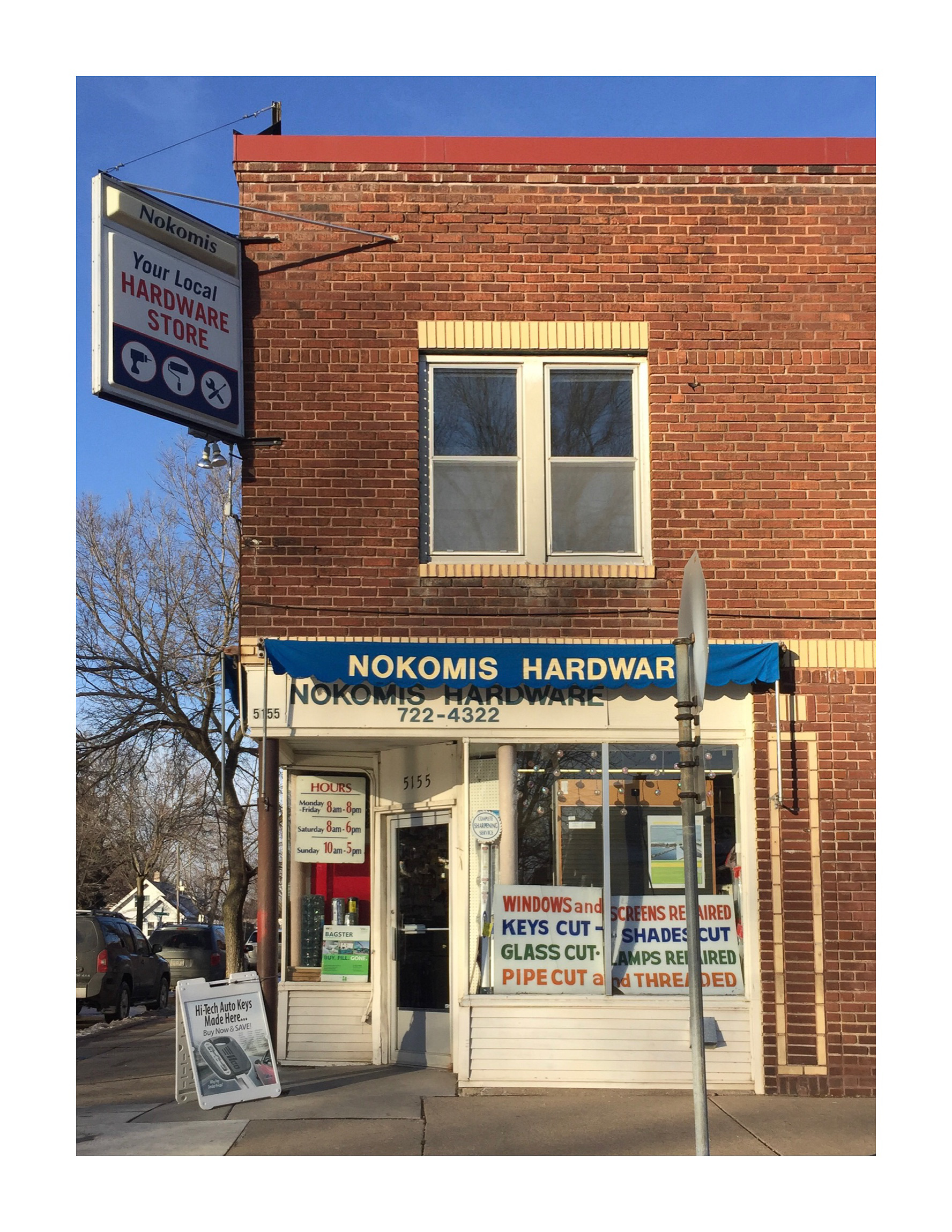
Nokomis, one of eleven communities forming the city of Minneapolis, sprawls out from its namesake (Lake Nokomis) at the southernmost edge of the city. Just east of the lake lies a secret residential gem aptly named Nokomis East. It includes four smaller neighborhoods — Keewaydin, Minnehaha, Wenonah and Morris Park — unfamiliar to most outsiders, but cherished by its residents. The homes, streets and businesses of Nokomis East exude a quintessential Minneapolis vibe. They are modest and charming and welcoming. For anyone looking to buy within the city, they are definitely worth exploring.  

Location

Nokomis East is bounded largely by bodies of water. To the north and east lie Minnehaha Creek and Park with the adjacent Mississippi River. Lake Nokomis sits directly west and Highway 62 borders to the south. Downtown Minneapolis lies about seven miles straight north of the neighborhood and can be easily accessed via the light rail running along Hiawatha Avenue at the eastern edge of the neighborhood.

Proximity to Minnehaha and Lake Nokomis Park provides residents with plenty of options for outdoor activity. The lake offers year-round recreation including summer swimming, picnics and sports. You can catch a bike path there or along the creek and connect to the city's system of trails that includes the 55-mile Grand Rounds Scenic Byway

NokomisEastNeighborhoods_Minneapolis_MN.png

Home Styles

Most of the homes in the neighborhood were built from the 1920s through the 1960s. You'll find a variety of quaint bungalows, tudors, post-war minimal traditional styles and an occasional foursquare or rambler. Blocks of tree-lined city streets are dotted with parks and corner stores adding charm, convenience and green-space to the urban neighborhood vibe. 

Home Prices 

Nokomis East remains an affordable option for city living. The current median sales price for a single-family home ranges from $214,000-$286,000 depending on the neighborhood (proximity to the lake tends to increase values.) Keewaydin has consistently maintained a higher median while Morris Park has stayed a bit more affordable. Prices in all four neighborhoods have shown a steady increase over the past three years, as shown in the graph below.

The graph's data points are derived from our regional MLS database and will remain live on this post, updating continually as the market data changes. Results are based on single-family, traditional sales (no bank intervention), all construction types (newly built as well as existing), and all sizes of homes. 

Meet the Neighbors

The majority of homes in Nokomis East are owner-occupied, and many of those residents have lived in the neighborhood for years. I recently had a chance to ask two of them what they love about their community.

Jennie is a potter and local business owner. She opened her creative space The Workshop MLPS in the heart of Nokomis East business district last spring after living in the neighborhood nearly 17 years. Nancy, resident of 25+ years, creates at The Workshop and remains a loyal advocate of the neighborhood. Check out the video below to hear what they love about living in the neighborhood.

Local Businesses

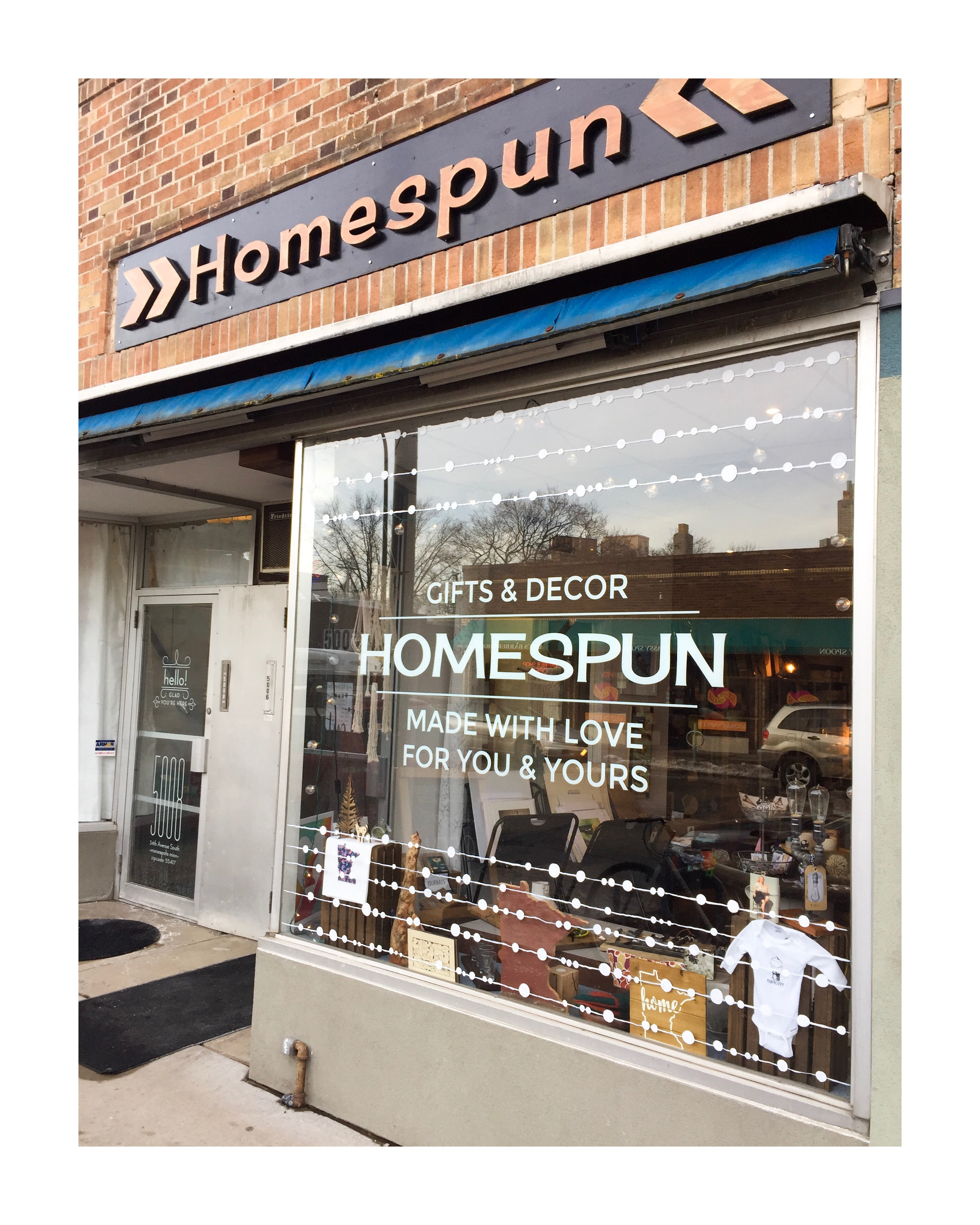
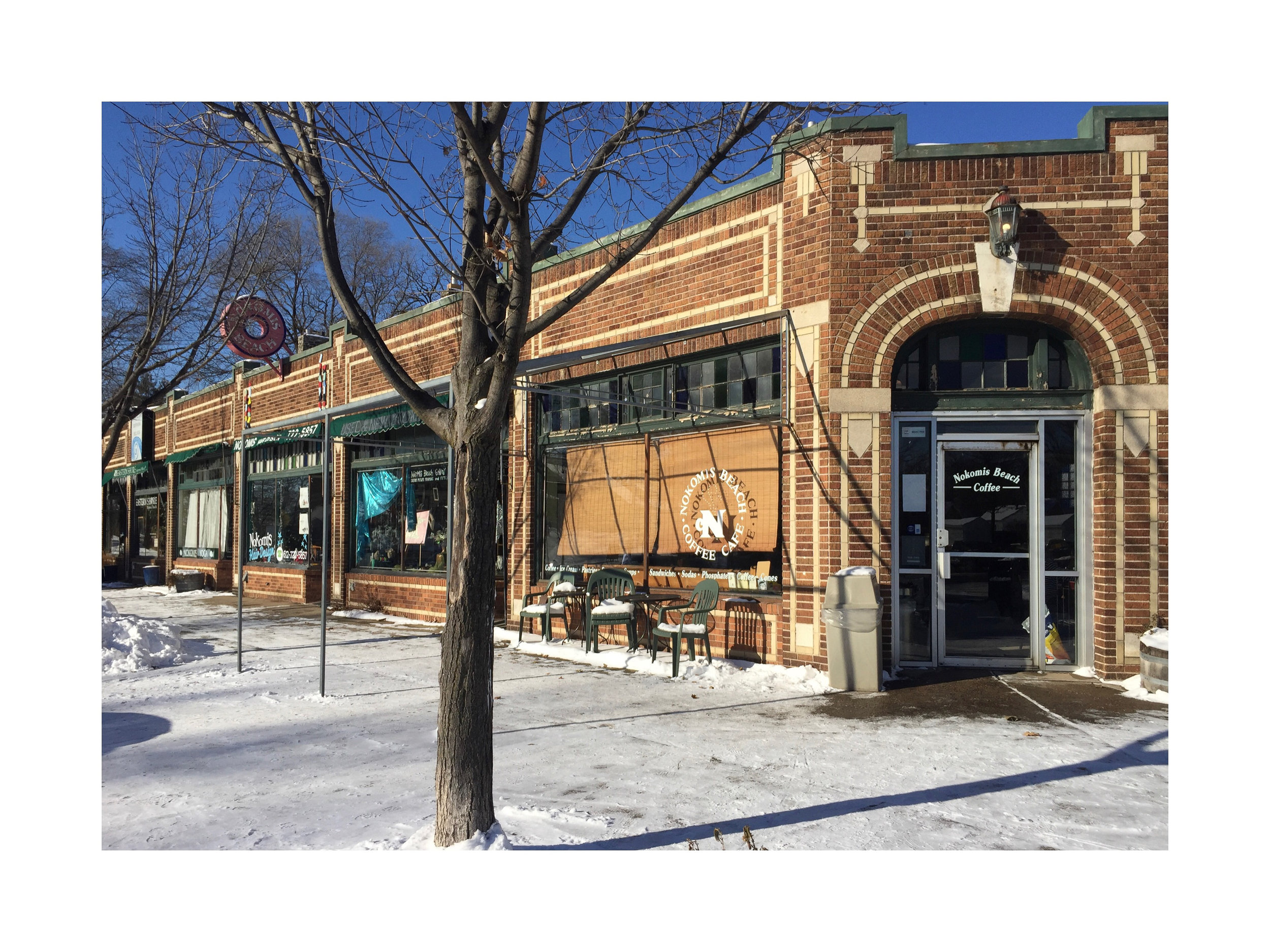
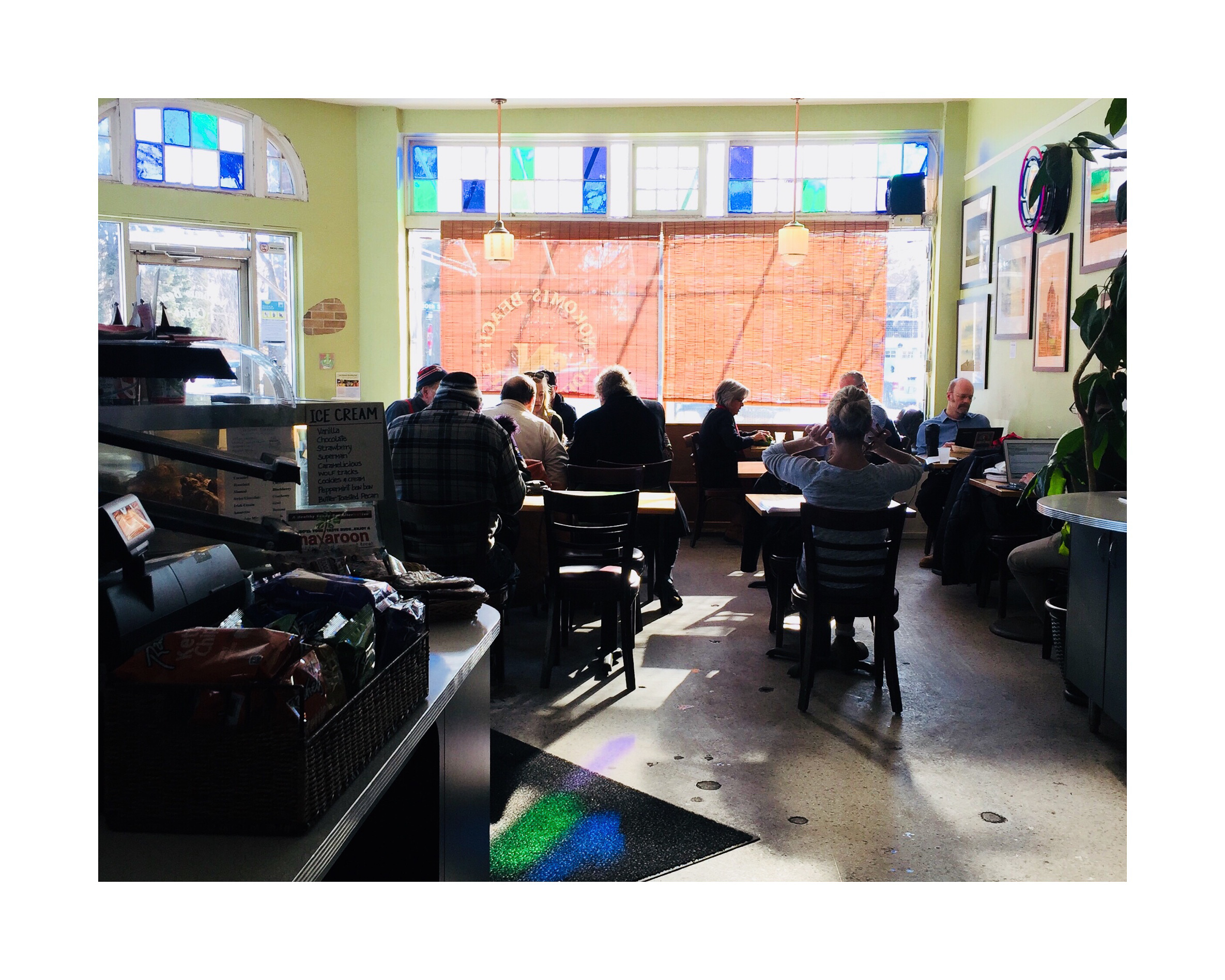
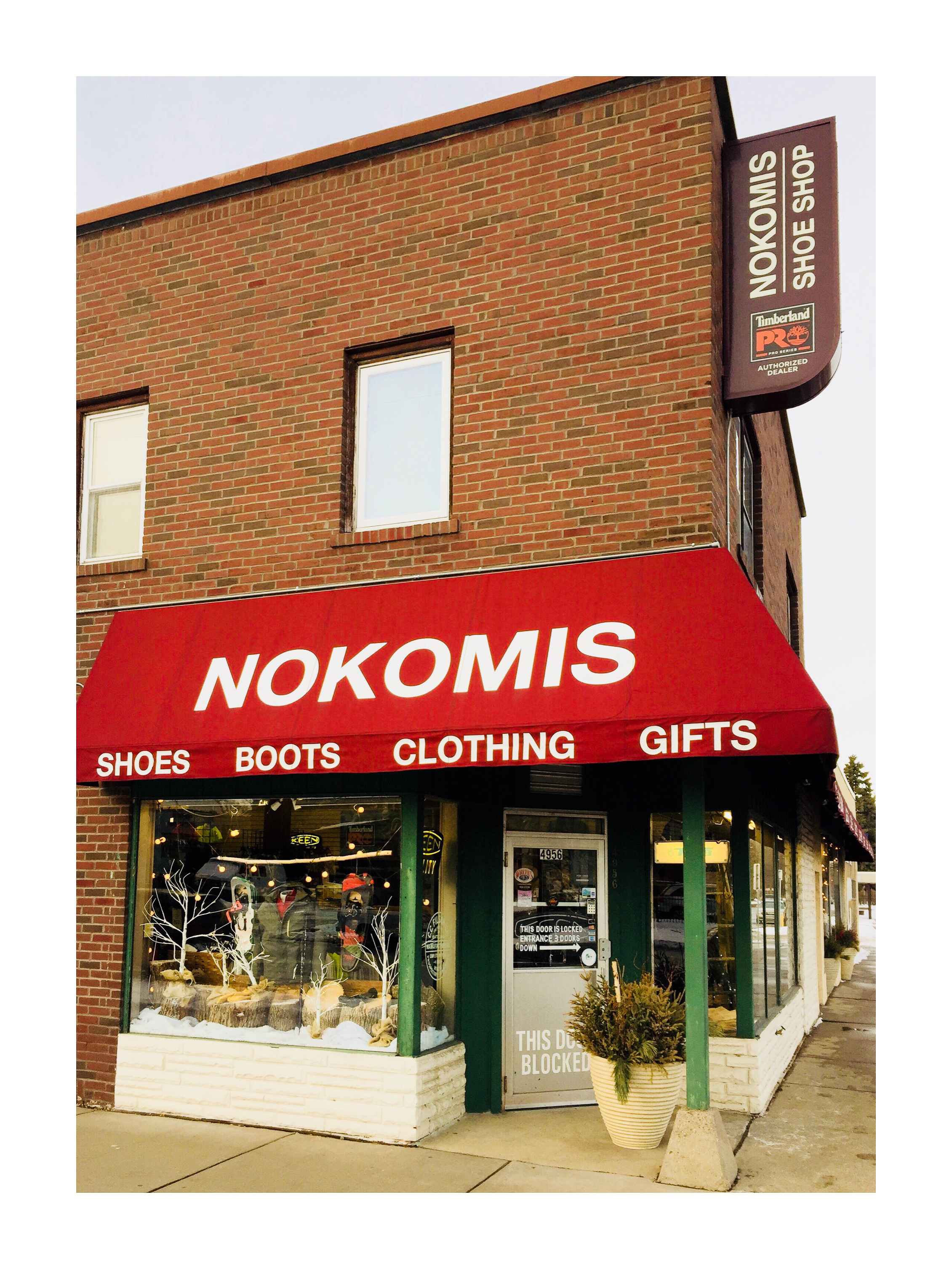
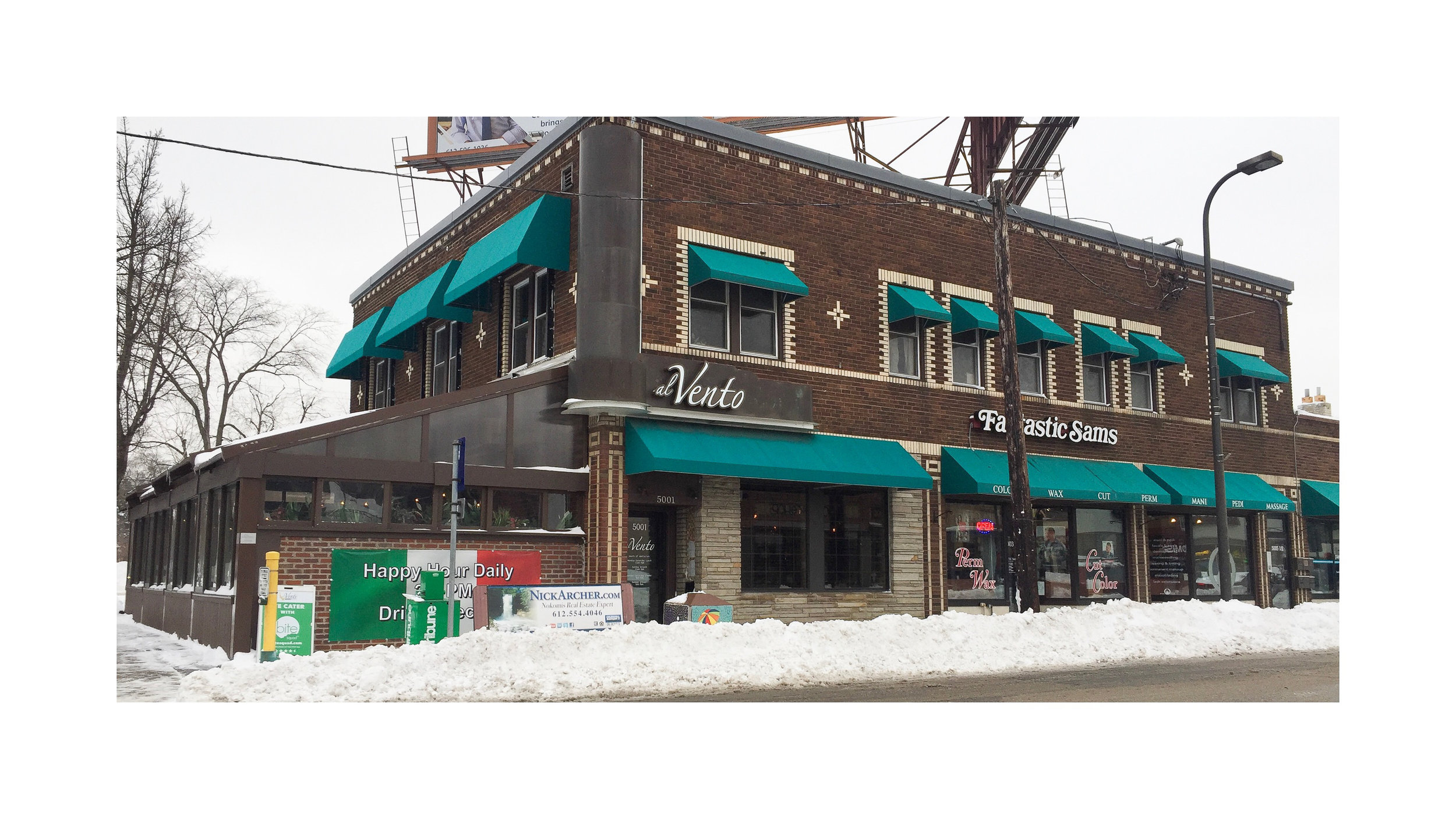
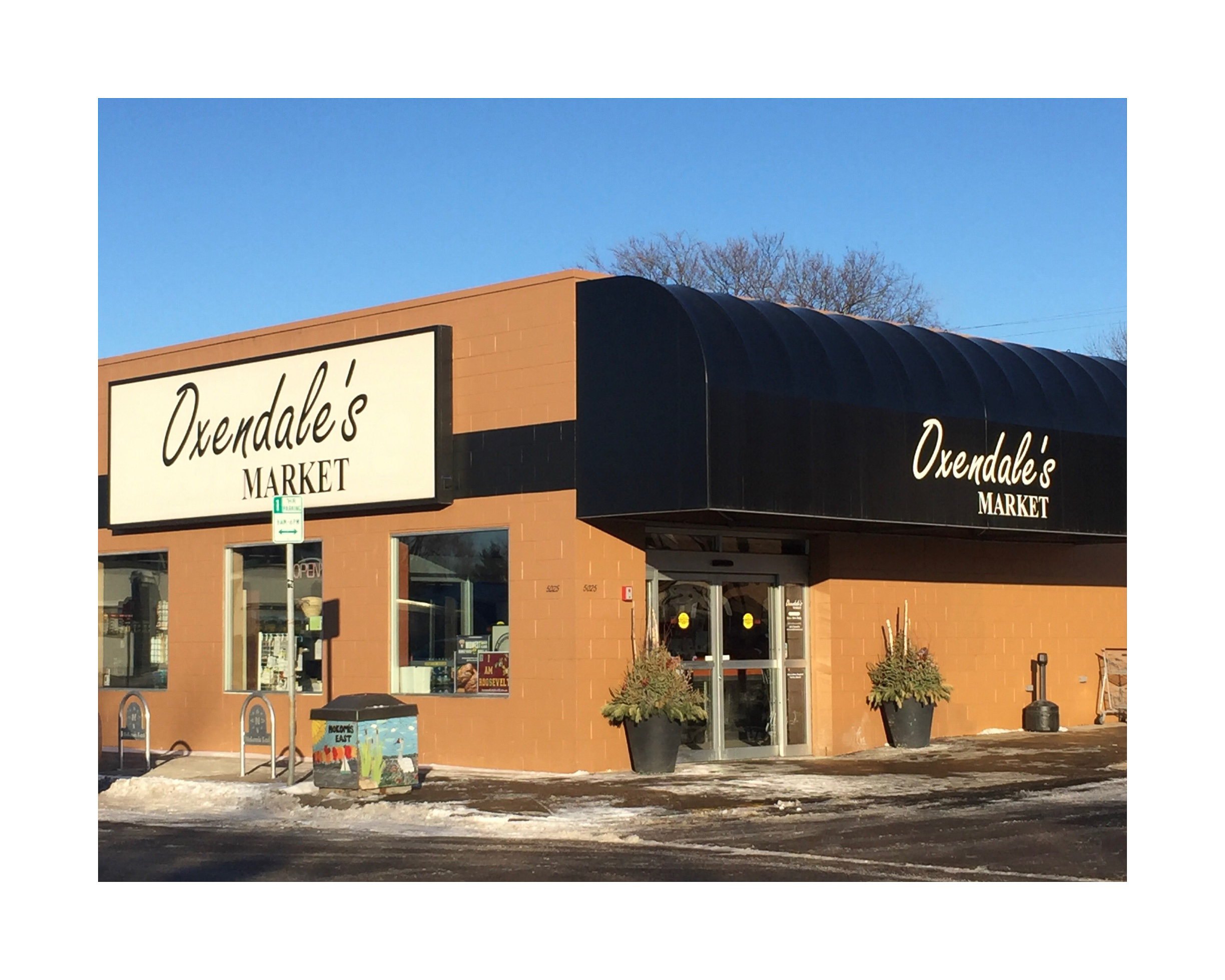
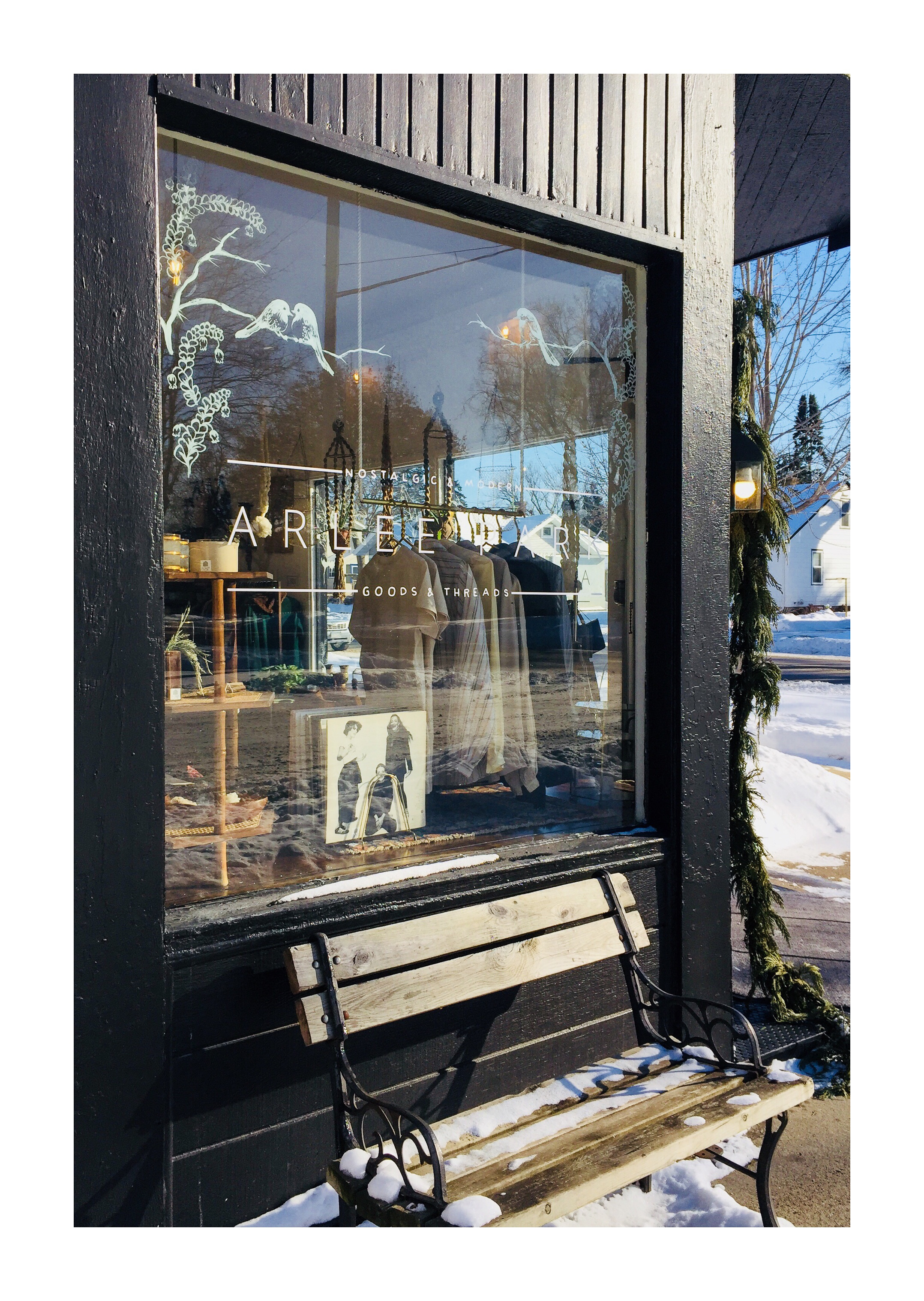
The local business scene is alive and well in Nokomis East. The intersection of 50th St. and 34th Ave. forms the commercial hub where residents can get just about anything. Within three short blocks you'll find a grocery store, post office, hardware store, gas station, liquor store, library, banks, several good restaurants, artisan gifts shops and studio space, auto shops, Nokomis Shoe Shop and even bowling at Town Hall Lanes. Local businesses extend beyond the hub as convenient corner shops throughout the neighborhood. A few personal favorites include the recently opened Arlee Park and longstanding Nokomis Beach Coffee, both on 50th just east of the lake. Other neighborhood favorites are Homespun Decor and Gifts and The Workshop MPLS. (Full disclosure: I took a pottery class from Jennie at The Workshop last summer and loved it!) 

Additional Resources

The residents and business owners of Nokomis East stay connected and focused on maintaining a strong community through active involvement in both the neighborhood and business associations. Link to their sites to read more about their work and commitment to this vibrant Minneapolis neighborhood:

If you would like to learn more about the Nokomis East community, search for available homes or talk about listing yours, connect with me anytime. heidi@lyndenrealty.com 651-503-1540

Learn More

Heidi Swanson is a Realtor® based in St. Paul, Minnesota. She writes a blog to share information on a variety of real estate related topics including buying and selling, market conditions, homeownership trends and more. Reach her at heidi@lyndenrealty.com or 651-503-1540.


Home Design Trends for 2018

Cold winter days mean more time inside for many of us. They certainly do for me. Anticipating the long stretch of indoor life, I started making small changes to cozy up my place — added a new rug and pillows, updated some light fixtures, switched around some art. It rekindled my interest in home design and fed my Pinterest addiction. It also led to searching handfuls of online lists predicting home design trends for the coming year, another potential addiction. Finding so many overlapping trends (and a few one-offs), I decided to compile my own top 10 list citing the most commonly predicted ones along with some personal favorites.

Poring over several sources including Trulia, Pinterest, Dwell, Lush Home, Zillow Porchlight, Realtor.com and the Star Tribune, I narrowed it down to these ten. We'll see what 2018 brings!

Minimalism

Nothing new here. Minimalist design has been around and will remain. Simple shapes, a sense of airiness and a less-is-more quality will still appeal to designers and home dwellers in 2018.

photo via Dwell

photo via Dwell


Statement Ceilings & Walls

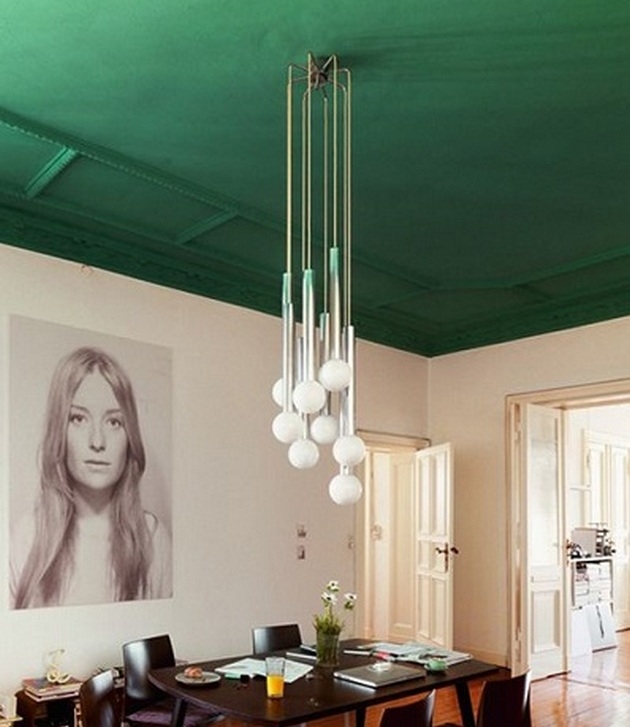
Sometimes referred to as the "fifth wall", ceilings will become eye-catching conversation pieces with bold paint, patterns and dramatic lighting. Patterned wallpaper and surprise splashes of color on walls are expected to gain momentum.  

photo via Dwell

photos via homedecor17


Instagram-ready Decor

What's that? Unexpected and unique decor that photographs well. Think vignettes of simple shapes, with contrast, pops of color and muted tones.

HomesForSale_MinnesotaRealEstate.jpg

Greens

All shades of green, from jewel tones to sage, will give life to sofas, pillows, walls, ceilings, doors and more. Chartreuse and avocado are personal favorites.

photo via InsideOut
photos by InsideOut and Abigail Ahern via Laura Francesca

photos by InsideOut and Abigail Ahern via Laura Francesca


Natural Materials

Woven fabrics, natural stone and light woods add warmth and coziness. Not totally new but we'll see an increased interest in sustainable materials and eco-consciousness. 

photo via Carley Page Summer's Instagram feed

photo via Carley Page Summer's Instagram feed


Mixed Metals

There seems to be a consensus on this one. Mixing metals in light fixtures, faucets, decor and kitchen hardware will be more than welcome in 2018. Black too! 

photo via Chris loves Juila

Lavender

Millennial pink morphs into light lavender with a nod to Ultra Violet, Pantone's color of the year.  Spotted on furniture, accents, walls and doors.


Statement Tile

Patterned, bold and personalized tile in small doses may begin to replace tired solid squares and subway. Imagine adding interest to small baths, kitchen backsplashes and tiny mudroom floors.

photos via cocokelley and Dwell 


Gen Z Yellow

Sunny and bright and a personal favorite for accents or for making a happy statement on a wall, ceiling or bathroom floor. Evokes 1970's mustard gold.


Curves

Think curved plush furniture, arched doors and circle shapes. Perhaps an iteration of the geometric pattern craze? We'll see.

via Domino

via Domino

Additional Noteworthy Trends

  • Quartz kitchen countertops (granite is out)

  • Concrete in unexpected places

  • Spa-like bathrooms

  • Jewel tones

  • Light or white-washed hardwood floors

  • Dark kitchens (with blue or gray cabinets, white on white is out)

  • Artisan light fixtures

  • Pattern on pattern

  • Oversized wall art


Heidi Swanson is a Realtor® based in St. Paul, Minnesota. She writes a blog to share information on a variety of real estate related topics including buying and selling, market conditions, homeownership trends and more. Reach her at heidi@lyndenrealty.com or 651-503-1540.

Learn the Lingo: Common Real Estate Terms Defined

In the real estate field, like others, industry-specific words can sometimes be confusing to an outsider. If you're planning on buying or selling, it's a good idea to get versed in the lingo, or at least familiar with some key terms. Below is a list of some of the most common words you'll likely encounter in your process, explained in plain English.

CMA (Comparative Market Analysis)

A side-by-side comparison of your home with similar homes that have recently sold, been listed or expired in your area. Created by a real estate agent to help determine an accurate listing price when you sell. Can also be done for buyers who are trying to determine a fair offer price. 

Purchase Agreement (aka PA)

The document (and all related contingencies) listing the price and terms of your offer. Once signed by both buyer and seller, the PA becomes a legally binding document.

Contingency

A provision in the Purchase Agreement stating that certain conditions must be met in order for the sale to be valid. Usually includes specific time periods for completion. Most common are contingencies fo buyer inspections and financing.

Addendum (singular) / Addenda (plural)

Documents added to the Purchase Agreement as supplements to the offer — add ons. Examples include counteroffers, purchasing “as is”, disclosures of lead-based paint, and buying a Common Interest Community (condo, townhouse, co-op).

Amendment

A document outlining any changes made to the final Purchase Agreement. Must be signed by both parties to be valid.

Mortgage

A “debt instrument” used to secure a loan on a home. The property is used as collateral for getting the loan money.

Closing Costs

Money paid at the closing to cover the costs of transferring ownership of a property. They can include a variety of fees to different service providers such as the title company, lender, broker, etc. Paid by both buyers and sellers.

Seller's Disclosure

A document filled out by sellers disclosing all known material facts and details about the home. Minnesota requires this (or a Seller's Disclosure Alternative form) be completed prior to selling. Must be made available to buyers and signed by them when submitting an offer.

MLS (Multiple Listing Service)

A database service real estate professionals subscribe to that stores up-to-date listing information including current properties for sale, homes sold, and listings cancelled or expired. Several MLSs operate around the country. The Twin Cities and Rochester regions use the “Northstar MLS.”

Earnest Money

Cash paid by buyers when making an offer as a show of "good faith". It's optional and can be any amount (1-2% of the sale price is typical.) Intended to go toward the downpayment if you end up buying the home.

Conventional Loan

A home loan not backed by the government. 

FHA Loan

A home loan backed by the government (Federal Housing Administration). Downpayment requirements are usually lower than those of conventional loans, however, purchasing mortgage insurance is usually required.

PMI (Private Mortgage Insurance)

Insurance you pay when you put down less than 20% on a conventional loan.

MIP (Mortgage Insurance Premium)

Insurance you must pay when financing with an FHA loan.

Title Insurance

Insurance paid to protect against claims on the title of your property. Lenders require it for their own protection. Buyers can also choose it for self protection. Ask your title company about costs of coverage.

Arbitration Agreement

A document that allows buyers and sellers to agree to settle disputes about the property outside of court. Optional for all involved in the transaction including buyers, sellers and their agents. Must be signed by both buyer and seller to be valid.


Learn more about buying or selling

Heidi Swanson is a Realtor® based in St. Paul, Minnesota. She writes a blog to share information on a variety of real estate related topics including buying and selling, market conditions, homeownership trends and more. Reach her at heidi@lyndenrealty.com or 651-503-1540.

Smart Home Technology Tips {Video}

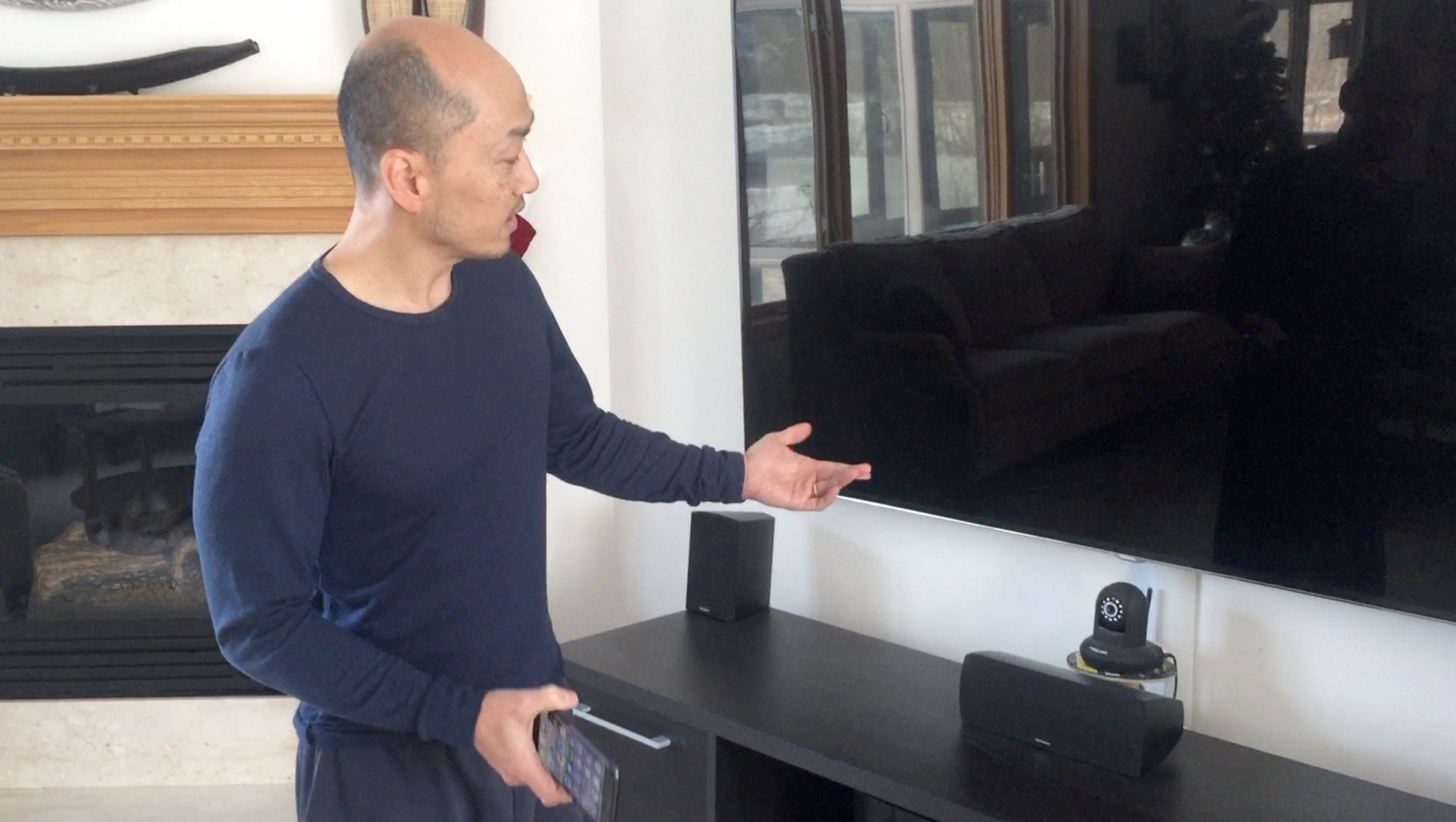
Interested in simple ways to add convenience and security to your home? Follow tech enthusiast and educator Duy Nguyen through his home as shares his own gadgets and tips for incorporating and customizing the latest in smart home technology.  

Today's video topics include smart doorbells (Ring), web cams and surveillance options, home wi-fi, and smart thermostats (ecobee). 

{Duy is a good friend who has been a generous resource for all things tech related. From replacing hard drives to advising on tech purchases, Duy has offered top-notch support and expertise. He's available to help others too. Email him at iduy1999@gmail.com if you would like to learn more about custom services he offers.}


Renting out your home for the Super Bowl? What You Should Know

Minneapolis & St. Paul

City homeowners hoping to offer up space to short-term renters — during Super Bowl nights or others —  will need to get familiar with new regulations approved over past couple of weeks in both St. Paul and Minneapolis. With the 2018 Super Bowl approaching and rental rates rising, officials in both cities felt the need to weigh in on the home sharing economy, an established sector that's been continuing to grow here in the metro — city officials estimate approximately 1,600 short-term rentals in Minneapolis and about 350 in St. Paul at last count. An exact number has been hard to calculate because in the past, short-term leasing was not a legally-approved use of residential property. It is now. And with legal use comes regulation, taxes and licensing.

It's legal now, but...

Each city has just approved its own set of licensing fees and regulations for both homeowners, or "hosts", and online platforms like Airbnb and VRBO who wish to operate within a city. Minneapolis took a more lenient approach toward both the platform companies and hosts, especially homeowners occupying the space. St. Paul appears a bit more stringent, especially regarding licensing fees for platform providers and occupancy restrictions. (Click here to see details on St. Paul's short-term occupancy limits.)

Fee amounts and registration requirements depend on whether and when a property owner is present during a rental period. They also differ by city. For example, homeowners wanting to rent out a room in their primary residence will pay nothing in Minneapolis, but $40 in St. Paul. Hosts leaving temporarily to rent out their homes need to register and make annual payments of $46 in Minneapolis and $40 in St. Paul. Parking restrictions and sales tax requirements will also apply.

A third category includes non-owner occupied properties which are treated much like regular long-term rentals by both cities. The chart below roughly outlines the Minneapolis and St. Paul fee structure for all categories of short-term rentals, as well for platform companies operating in the area.

Fees and Licensing

*Minneapolis long-term rental fees.**St. Paul Certificate of Occupancy requirements

*Minneapolis long-term rental fees.

**St. Paul Certificate of Occupancy requirements

Condo Considerations

Keep in mind, if you live in a CIC (Common Interest Community) like a condo or townhouse, you'll first need to determine what is allowed in your building. Association bylaws supersede new city ordinances and breaking the those rules could get you into hot water with your association. Also be aware of your CIC's insurance coverage for any "hotel-like" occupancies, which may raise a red flag for your insurer. At my condo, for example, the building insurance policy would automatically be set for non-renewal if underwriters caught wind of a short-term rental operating in the building. Of course, changing your bylaws to accommodate shorter rental periods is always an option if association members can reach an agreement.

Surrounding Cities

If you live in a surrounding suburb and wish to rent, check first with your city officials. Some cities have strict ordinances in place, some do not. For example, Woodbury does not allow short-term rentals and will enforce when notified. Bloomington also prohibits them, though admits the option has not been reviewed recently. A Brooklyn Park city planner says the city does not currently allow them but lately it's become a "topic of discussion". In Edina you can rent out your home long-term without a license or inspection, but short-term stays (30 days or fewer) are not allowed. Violations and enforcement are complaint-based; if discovered, hosts will be asked by the city to cease. Check with City Planning or Rental Registration and Inspection offices to see what's allowed in your city. 


HomesForSale_MinnesotaRealEstate.PNG

Super Bowl rates

Airbnb search results for renting an entire house in Minneapolis for up to 4 people, on Feb. 3, 2018.

Just in Time

Both Minneapolis and St. Paul hope to get the short-term application process up and running in time for February Super Bowl bookings. Minneapolis will start accepting applications beginning December 1. St. Paul, a week behind in approvals, will be accepting shortly thereafter. For further details and application information, follow these links to your city's website: Minneapolis | St. Paul


Heidi Swanson is a Realtor® based in St. Paul, Minnesota. She writes a blog to share information on a variety of real estate related topics including buying and selling, market conditions, homeownership trends and more. Reach her at heidi@lyndenrealty.com or 651-503-1540.

Fall 2017 Housing Market Update | Twin Cities

Minneapolis vs. St. Paul

The past year showed a gradual and consistent increase in median home prices throughout Minneapolis, St. Paul and the greater Twin Cities region for all types of homes, including single family, condominiums and townhouses. The overall median sale price increased by 5.4% in Minneapolis, and 2.6% in St. Paul. Inventory is low, typically favoring those selling rather than buying, especially at lower-end price points in high-demand neighborhoods. 

Minneapolis
StPaulHomesForSale.jpg

Overall, St. Paul remains a more affordable city with a September 2017 median sale price of $194,000 versus Minneapolis' $245,450. City dwellers shopping for new homes may be taking notice. Lately, I've met more and more Minneapolitans searching for homes east of the river. The reason most often cited? Affordability. They can enjoy the convenience and amenities of urban living for less. However, low inventory across the Twin Cities region might also be a factor. The months supply of homes for sale in Twin Cities has been steadily declining throughout the year which may be forcing shoppers to expand their search beyond first-choice locations.

All data from MLS Northstar Infosparks, Oct 25, 2017.


Rise and Fall

These interactive graphs depict slow and steady growth in sales price along with a simultaneous drop in inventory over the past year in Minneapolis, St. Paul and the six-county region. The data points are derived from our regional MLS database and will remain live on this post, updating continually as the market data changes. 

Results are based on traditional sales (no bank intervention), all construction types (newly built as well as existing), and all sizes of homes. 


Median Sales Prices | Past Year


Months Supply | Past Year


A Seller's Market? It Depends

If you've been shopping for your first home or searching in the lower-end price ranges, you've most likely felt some competition. Low inventory of more affordable homes has typically favored sellers and often created multiple offer scenarios, especially in coveted neighborhoods. If you plan to sell in this range and move up, however, you may be perfectly positioned. Inventory in the $400,000-$700,000 range remains much more balanced, alleviating competition among buyers searching for those homes. So, if you're thinking of moving up, now might be a smart time.

A 5-6 months supply represents a balanced market. Lower supplies typically favor sellers.

All data from MLS Northstar Infosparks, Oct 25, 2017.


MinneapolisLakesHomesForSale.JPG

Location Matters

Remember that real estate trends are local and can vary greatly by city, neighborhood or even block. What's happening in your area may be different than what's happening in the larger region. If you'd like specific market data for your location and home, let me know. I can crunch the numbers and send you custom graphs reflecting specific trends in your city and neighborhood, or prepare a more in-depth market analysis using specific info. about your home.

Learn More about my local market

Heidi Swanson is a Realtor® based in St. Paul, Minnesota. She writes a blog to share information on a variety of real estate related topics including buying and selling, market conditions, homeownership trends and more. Reach her at heidi@lyndenrealty.com or 651-503-1540.

Mid-century Modern Eye Candy

Snapshots from yesterday's Docomomo US MN fall tour. Made possible by willing homeowners who opened their doors to host, as well as Domomomo whose mission is to document and conserve buildings, sites, and neighborhoods of the modern movement. The tour included four homes in two St. Paul neighborhoods, three in Golden Valley and a last-stop after party! 

Let's make an offer!

Once you've found a home you want to buy you'll need to figure out how much you're willing and able to pay, then submit an offer to the sellers. Using a standard Purchase Agreement along with necessary addenda, your agent will help you through the entire offer writing and presenting process.

Determine Your Price

Before writing your offer you will need to decide on a purchase price. I typically do a CMA (Comparative Market Analysis) to help buyers zero in on a fair price for a home. Comparing properties sold or listed within the past six months, of similar style, size and location, is helpful for making comparisons, when available. Of course other factors will also come into play — the amount you can afford, current inventory, your emotional connection to the house, multiple offers being submitted, etc.

The Purchase Agreement

The Purchase Agreement, or PA, is the main contract used when buying a home. It's a fill-in-the-blank, multiple-page document made available by the Minnesota Association of Realtors (the Minnesota State Bar Association form may also be used.) Your agent has access to the PA and all other documents and can fill in the details for you, with your direction. These days, all can be done electronically on a computer or mobile device, including signatures. Getting the PA signed and accepted by the seller legally binds you to the purchase of the home, so it's important to read and understand it before you sign and your agent submits it to the seller!

The Purchase Agreement may also include various addenda for contingencies like inspection, financing, sale of another property, and more. Be aware that some contingencies allow a seller to continue marketing their home throughout the period in which yours is being met. For example, if your accepted offer was contingent on the sale of your current home and the seller receives another offer while waiting for your home to sell, you may be asked to lift the contingency (within an agreed upon amount of time) or risk losing the new home.

HomesForSale_MinnesotaRealEstate.jpg

Once your offer has been accepted and signed by the seller, the clock starts ticking for the most common contingency — the inspection. In the days immediately following acceptance you will need to schedule a buyer's inspection with a reputable professional. Typically, buyers ask for around 10 calendar days in which to do the inspection and negotiate repairs or price based on the results. Inspections are usually paid by the buyer. Your agent should be able to provide a list of trusted inspectors and help facilitate the process.

Strengthen Your Offer

In a multiple-buyer situation it's unknown what other buyers are up to, so it's important to make your best offer while being mindful of your personal or financial limitations. If a home is in high demand, with several buyers making offers, it's not uncommon to submit an offer at or even above the listing price. In fact, this has been common lately with current seller's market.

Besides raising price, you can also manipulate terms to favor a home seller and strengthen your position. Increasing earnest money deposit, paying your own closing costs, and removing contingencies are just few ways to sweeten your offer. Sometimes even a writing personal letter to the seller can set you apart from the competition.

Seller-paid Closing Costs

It's not uncommon for buyers to ask sellers to contribute to the buyer's closing costs when cash is needed to close. The amount can vary as a percentage of the price (usually 1-3%) or as flat amount written into the PA. Asking a seller to pay additional fees of course lowers their net gain from the sale of their home. If you have enough cash and are competing with other buyers, it's wise to consider paying your own costs, or at least as much as you can. 

HomesForSale_MinnesotaRealEstate.jpg

Earnest Money:

"A deposit made to a seller showing the buyer's good faith in a transaction."
-Investopedia

Earnest Money

It's common practice to include a small percentage of cash, or earnest money, with your offer. Earnest money is a buyer's deposit on a property made at the time of offer. It's often 1-2% of the sale price, used to demonstrate your seriousness as a home buyer, and eventually contributes to the down payment or final costs to close. Earnest money deposits are not required, but including one and even increasing the amount can sometimes give you an advantage over other buyers who may be relying heavily on financing.

Contingencies

Having fewer contingencies may also help in a multiple offer situation. Contingencies are safety nets that enable you to back out of a sale if certain conditions are not met. At the minimum, you'll want an inspection contingency allowing you to check out the home before making a final decision. This is a common request for nearly all buyers — I always recommend it, and sellers will expect it. Of course you can always choose to waive the inspection at your own risk.

Unless you are paying cash for the home, you'll also need a financing contingency, which basically says you agree to buy the home as long as you can receive a loan under the conditions outlined in the Purchase Agreement. This contingency should be accompanied by an pre-approval letter from your lender. Working with a reputable lender who is available to answer the seller's questions and concerns will also give you an advantage. If you pay in cash, even better. Cash offers, made without a financing contingency, are less common but will usually be favored by sellers.

Another common contingency involves the sale of an existing home. You can make an offer contingent on the sale of your home before even listing it, but the closer you are to actually selling yours, the better.

Counter offer + Final Acceptance

A seller may be interested in your offer but choose to counter with more desirable terms or price. This can be done verbally between agents representing each side but will eventually be written into a final amendment and signed by both parties. Once signed, returned and accepted...congratulations, the offer is binding and next steps begin!

Get help writing an offer

Heidi Swanson is a Realtor® based in St. Paul, Minnesota. She writes a blog to share information on a variety of real estate related topics including buying and selling, market conditions, homeownership trends and more. Reach her at heidi@lyndenrealty.com or 651-503-1540.